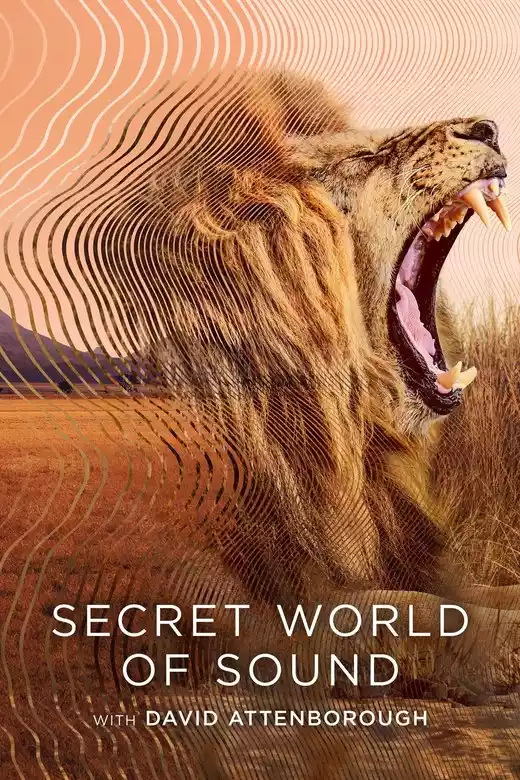
David Attenborough: The Sound of Nature Episode 3(EN)Subtitles
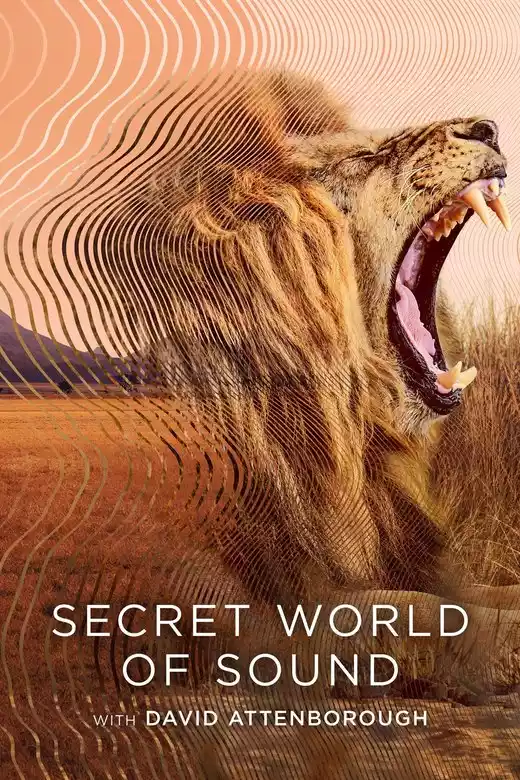
Movie:Secret World of Sound with David Attenborough (2024)4K
Era:2024
Length:45 minute
Country:
Language:English
Era:2024
Length:45 minute
Country:
Language:English
| SRT Subtitles download |
1 00:00:13 The natural world is filled with sound.
2 00:00:25 But, so far, we've been hearing only part of it.
3 00:00:31 Some animals call even before they enter the world.
4 00:00:40 Others use sound to communicate with their siblings.
5 00:00:48 Or call to their parents.
6 00:00:51 Using the most advancedaudio technology,
7 00:00:55 we can listen to them all...
8 00:00:59 ...to reveal how baby animalsuse sound to stay alive...
9 00:01:04 ...in a world where the oddsare stacked against them.
10 00:01:20 The most perilous timein an animal's life
11 00:01:24 is at its very beginning.
12 00:01:32 These little cygnets are justthree days old.
13 00:01:41 And at this stage of their lives,and for some months to come,
14 00:01:44 they are unable to fly.
15 00:01:48 As a consequence, they are easy preyfor a gull or a fox.
16 00:01:56 But there's just one thingthat is of extreme importance
17 00:02:00 to their survival.
18 00:02:02 And that... is sound.
19 00:02:17 The Kalahari Desertin southern Africa.
20 00:02:24 This is the home of a kind ofburrowing mongoose...
21 00:02:29 Meerkats.
22 00:02:34 This season's pups are takingtheir first steps in the world
23 00:02:37 outside their family's home.
24 00:02:59 In time, they will get to knowthe sounds of everything
25 00:03:04 that's going on around them.
26 00:03:10 But just now, what they wantis breakfast.
27 00:03:15 And to get it,they must make themselves heard.
28 00:03:20 The smallest pup has an injured foot
29 00:03:23 and keeping up with the rest isa struggle.
30 00:03:35 Once they emerge, meerkat pupsneed more food
31 00:03:38 than their own parentscan provide,
32 00:03:40 so they must persuade other adultsto feed them.
33 00:03:51 But in this harsh country,
34 00:03:54 food isn't easy to find.
35 00:03:58 Temperatures can reach over 45C,
36 00:04:02 and most food is hidden underground.
37 00:04:07 So a meerkat's life is dominatedby digging.
38 00:04:12 They may have to shifttheir entire body weight in sand
39 00:04:15 to find just one mouthful to eat.
40 00:04:21 After all this hard work,the helpers can be more interested
41 00:04:24 in feeding themselves than the pups.
42 00:04:33 So the youngsters beg continuously.
43 00:04:44 The moment food is found,
44 00:04:47 each pup switches to a high-pitchedbegging call
45 00:04:50 in an attempt to ensure that it,and not its siblings,
46 00:04:54 gets the mouthful.
47 00:05:01 And those who make this begging callmore intensely
48 00:05:04 get the food.
49 00:05:07 The biggest pup is successful,and the smallest misses out again...
50 00:05:14 ...and again.
51 00:05:20 Staying close to an adultincreases the chances of being heard
52 00:05:24 and being fed.
53 00:05:27 But this brings its own hazards.
54 00:05:38 Finally, the small one does geta mouthful.
55 00:05:44 But he takes a long timeto eat it...
56 00:05:51 ...and when he looks up,everyone else has gone.
57 00:06:01 If there's one thing more importantto a meerkat than food,
58 00:06:05 it's family.
59 00:06:08 Without their guidance, he wouldn'tlast for long in this intense heat.
60 00:06:17 He calls for help.
61 00:06:25 Making such a noise, however,has risks.
62 00:06:37 At last an adult hears him.
63 00:07:00 But the heat and exhaustionhave taken their toll.
64 00:07:05 It may be too late.
65 00:07:08 His sister encourages himto get back on his feet.
66 00:07:28 Once again, the little meerkathas been saved... by sound.
67 00:07:40 As the pups grow, they will facemany new challenges...
68 00:07:47 ...including predators.
69 00:07:51 Sound will be invaluable to helpthem navigate these dangers.
70 00:07:58 But some baby animals use soundbefore they even enter the world.
71 00:08:06 The swamps of South America.
72 00:08:12 There is danger everywhere.
73 00:08:20 One vigilant mother here ison guard.
74 00:08:25 A caiman.
75 00:08:28 Over two metres long and weighingaround 60 kilograms,
76 00:08:32 she lives by ambushing preyin these murky waters.
77 00:08:39 On the bank, close to the river,
78 00:08:42 there is a great mound.
79 00:08:47 It's her nest.
80 00:08:55 And inside, there are her eggs,
81 00:08:58 30 or so of them.
82 00:09:05 Her nest-guarding duties, however,are coming to an end.
83 00:09:13 The young, still within the eggs,
84 00:09:16 are approaching one of the mostdangerous moments
85 00:09:18 they will ever face.
86 00:09:20 And they are squeaking.
87 00:09:26 Their chances of survivalwill depend on these noises.
88 00:09:32 We have a special camerawith 60 super-sensitive microphones
89 00:09:36 which can show us which squeakis coming from which egg.
90 00:09:46 The first starts to hatch.
91 00:09:52 But the youngsters would standa much better chance of survival
92 00:09:56 if they all hatched simultaneously.
93 00:10:00 So they call to one another
94 00:10:02 to indicate how close they areto emerging.
95 00:10:12 It succeeds in struggling freefrom the egg.
96 00:10:18 But it has a problem.
97 00:10:23 The nest that once kept themall safe...
98 00:10:27 ...now keeps them trapped.
99 00:10:35 The calls of the emergednow encourage the others
100 00:10:38 to break out of their eggs.
101 00:10:44 But they still can't get out ofthe nest without help.
102 00:10:51 Individually,they can barely be heard.
103 00:10:57 But together they become loud enoughfor their mother to hear them.
104 00:11:06 She has been waiting for thesesounds for nearly 70 days.
105 00:11:24 And she goes into action.
106 00:11:57 One by one,she picks her hatchlings up
107 00:12:00 and takes them down to the water.
108 00:12:19 The last to hatchare sometimes forgotten.
109 00:12:24 But with the nest fully opened,they can now get out.
110 00:12:30 But they have no ideawhere their mother is.
111 00:12:35 Once again, they are saved by sound.
112 00:12:42 They can recognise the voicesof their siblings
113 00:12:44 and follow the sound to the water...
114 00:12:46 where their motherwill guard them all.
115 00:12:53 Sound has guided them on the firstand most hazardous journey
116 00:12:57 of their lives.
117 00:13:25 The sounds of an English spring.
118 00:13:37 For many of the animalsthat live here,
119 00:13:39 they carry important messages.
120 00:13:48 This bee has discovered that theflowers are now producing nectar.
121 00:13:55 She gathers all she can...
122 00:13:59 and then flies backwith the good news.
123 00:14:06 Her colony has been inactiveduring the colder months.
124 00:14:11 But now the time has comefor action.
125 00:14:28 The forager conveys her news
126 00:14:31 by repeatedly thumping her abdomenon the comb.
127 00:14:34 Bees, like many insects,don't have ears,
128 00:14:43 so they can't hear airborne sounds.
129 00:14:52 But they can feel the vibrationsshe makes on the comb...
130 00:14:59 ...detecting it with the sense organsin their legs.
131 00:15:11 And those that are still asleep
132 00:15:14 are alerted by her signal that drumsdirectly into their body.
133 00:15:27 Eventually, the workers are rousedinto action.
134 00:15:51 Within days,the hive's depleted stores
135 00:15:55 are restocked with nectarand pollen...
136 00:15:59 ...food that will fuel the productionof the next generation of bees.
137 00:16:11 When a colony has grown so much
138 00:16:13 that it containsaround 40,000 individuals,
139 00:16:17 it prepares to swarm.
140 00:16:20 But a new swarm will need a queen,and the old queen has already left.
141 00:16:28 There are several contendersfor the role
142 00:16:30 who are developing in particularlylarge cells.
143 00:16:35 Tiny super-sensitive microphones
144 00:16:38 enable us to hearan extraordinary call,
145 00:16:41 like the quacking of a duck.
146 00:16:50 The unhatched queens are signalling
147 00:16:53 that they're ready to emerge.
148 00:16:57 The workers detect the vibrationsof these calls
149 00:17:01 and in response they startto release the first queen.
150 00:17:11 If two queens are releasedat the same time,
151 00:17:13 they will fight one anotherto the death.
152 00:17:18 So, she does her best to make sure
153 00:17:20 that her rivals remainin their cells.
154 00:17:26 She does that by making a soundbeekeepers call a toot.
155 00:17:35 Slowed down a thousand times
156 00:17:37 and using new software that convertsvibration to colour,
157 00:17:41 we can seehow she creates this call.
158 00:17:50 The vibrations travel down her legs,
159 00:17:53 across the comb, and are detectedby the legs of the workers.
160 00:18:04 As she toots, the whole colony,for a few seconds,
161 00:18:08 stops moving...
162 00:18:12 ...in recognition that a new queenhas ascended the throne.
163 00:18:18 Each tootis answered by a chorus of quacks
164 00:18:22 from the rival queenswho are still within their cells
165 00:18:25 and eager to emerge.
166 00:18:28 But as long as the new queencontinues tooting,
167 00:18:31 the workers will not releaseher rivals.
168 00:18:37 The crowned queen tootsrepeatedly until, after a few days,
169 00:18:40 she prepares to depart with halfof the workers in a swarm.
170 00:18:47 The sounds in the hive becomeincreasingly intense,
171 00:18:50 until finally the swarm leavesthe nest.
172 00:19:05 They re-assembleon a nearby branch...
173 00:19:11 ...and a new colonywill soon be established.
174 00:19:28 Many animals,when they first appear,
175 00:19:30 rely on their parentsfor everything they need
176 00:19:33 and use sound to keep in touchwith them.
177 00:19:42 20,00 flamingos breedingoff the Yucatan coast in Mexico.
178 00:19:51 The noise here is deafening.
179 00:19:57 The chicks, nonetheless, are ableto exchange intimate sounds
180 00:20:01 with their parents.
181 00:20:14 This one has only just hatched.
182 00:20:19 The colony provides protectionfor its members.
183 00:20:23 But living in such a huge crowdis nonetheless hazardous.
184 00:20:29 the chick's very survival depends onits ability
185 00:20:32 to recognise the voicesof its parents.
186 00:20:38 So it must learn to do so quickly,
187 00:20:41 because within ten days of hatching,
188 00:20:42 it and its parents will leavethe nest.
189 00:20:48 The call of each flamingo is unique.
190 00:20:53 It's a kind of vocal fingerprint.
191 00:20:55 How the chick manages in such a din
192 00:20:58 to memorise and pick out the callsof its parents is unimaginable.
193 00:21:03 But it does so.
194 00:21:23 This one is taking its first stepsout of the nest.
195 00:21:29 But it's not really readyfor the wider world.
196 00:21:38 Eventually it becomesa little braver.
197 00:21:42 but now it has a new problem.
198 00:21:45 It's growing fast and both itand its parents need food.
199 00:21:51 To get it, the adults must leavethe colony and their chick.
200 00:21:57 The chick cannot fly and will beunable to do so
201 00:22:00 for another three months.
202 00:22:02 So, until then,it's very vulnerable.
203 00:22:07 There are hundreds of youngsterswith the same problem.
204 00:22:12 The young gather togetherin an enormous creche.
205 00:22:18 There's safety in numbers.
206 00:22:24 A few adults have stayed behindto keep the creche together.
207 00:22:31 The others eventually return.
208 00:22:35 But now each must recogniseits own chick
209 00:22:39 among the densely packed flockof thousands.
210 00:22:50 Amazingly, each family trio —male, female and chick —
211 00:22:55 are able to recogniseone another's voices.
212 00:23:03 Distinguishing individual callsamong this deafening chorus
213 00:23:07 must be difficult.
214 00:23:10 And this male can't find his chick.
215 00:23:15 Adults aren't the only oneswho are searching.
216 00:23:22 A crocodile is lurking nearby.
217 00:23:29 The chick calls...
218 00:23:32 But it can't hearits father's reply.
219 00:23:39 The crocodile attacks.
220 00:24:08 It's failed to grab a chick,
221 00:24:10 but it did create dangerousconfusion in the flock.
222 00:24:17 The chick has become separatedfrom the others
223 00:24:19 and seems to be lost.
224 00:24:27 It begs for food from any individualthat passes.
225 00:24:36 Its father, in another part ofthe flock, keeps calling.
226 00:24:43 But the chick is too far awayto hear him.
227 00:24:50 And this is how many chicksmeet their end.
228 00:24:58 But not this one.
229 00:25:07 It keeps calling.
230 00:25:11 And from across the lagoon...
231 00:25:14 ...its father replies.
232 00:25:20 The unique sound of the chick'svoice has been recognised
233 00:25:23 by its father, and the two at lastare re-united.
234 00:25:36 As young animals grow,
235 00:25:38 they learn to recognise oncomingdangers and become big enough
236 00:25:42 for their voices to sound an alarm.
237 00:25:59 A wolf pack, in Ontario, Canada.
238 00:26:09 This communal howl binds the packtogether
239 00:26:12 and registers their ownershipof a territory.
240 00:26:22 With only around 500of these Eastern wolves left,
241 00:26:25 this heart-stopping sound is nowextremely rare.
242 00:26:32 But this chorus has some new voices.
243 00:26:38 It's August and the pupsare joining in.
244 00:26:43 These youngsters, however,create a problem...
245 00:26:46 ...one that could endanger them all.
246 00:27:02 Now, in summer,the days are over 14 hours long.
247 00:27:08 So the wolves have to huntin the light.
248 00:27:18 The pups are too bigto stay in the den,
249 00:27:21 but too inexperienced to join inthe hunt.
250 00:27:25 So the adults leave themin an open area - a rendezvous site.
251 00:27:32 Its very openness makesit a great place for play.
252 00:27:36 But this is a particularly dangeroustime in their lives.
253 00:27:41 Half of them won't live beyondtheir first year.
254 00:27:46 What happens here and now willdetermine whether these will do so.
255 00:27:58 Two of the youngsters know exactlywhere they are supposed to stay.
256 00:28:02 But their sister can't resistexploring.
257 00:28:25 Distracted, she doesn't notice thata black bear is approaching.
258 00:28:33 This is one of the few animalsthat will kill a wolf pup.
259 00:28:39 The wandering youngster seemsunaware of the danger.
260 00:28:45 But her brothers are.
261 00:28:53 They sound the alarm.
262 00:28:57 Alerted, the wandering pup spotsthe bear.
263 00:29:18 Now the lives of all three pupsare at risk.
264 00:29:25 But, as the bear moves in,she hears a different call.
265 00:29:32 It's her own cub.
266 00:29:33 And he needs his mother.
267 00:29:42 It's been a lucky escapefor the pups...
268 00:29:46 ...but they are not yetin the clear.
269 00:29:51 The pups' howls are shorterand higher-pitched
270 00:29:53 than those of the adults...
271 00:29:57 ...but they can still be heardmany miles away.
272 00:30:03 And they are answered.
273 00:30:14 The sound has alerted an adult wolf.
274 00:30:28 It's their father.
275 00:30:32 He's returned with foodfor the pups.
276 00:30:40 As dusk falls, the pack celebrateswith a reunion chorus.
277 00:30:49 Their voices have been crucialin keeping the pack together.
278 00:30:55 But many animals issuewarning calls
279 00:30:58 that containfar more complex information.
280 00:31:05 The meerkats, as they grow,learn how to find their own meals.
281 00:31:12 And they are discovering howto avoid becoming someone else's.
282 00:31:17 The desert is full ofhungry mouths...
283 00:31:21 ...and meerkats are smalland obviously edible.
284 00:31:28 Their defence is neither armournor weapon.
285 00:31:33 Instead, they use sound -
286 00:31:36 a complicated system of alarms.
287 00:31:41 These calls are not justgeneralised alerts.
288 00:31:50 This one warns ofa flying predator...
289 00:31:55 ...and those hearing it look upand scan the sky.
290 00:32:06 Danger on the ground is indicatedby a different call.
291 00:32:14 Best to look around.
292 00:32:21 Snakes are identified bya third signal.
293 00:32:31 A call from the look-outsummons others
294 00:32:34 to come and help drive it away.
295 00:32:45 Meerkat warnings are so detailed
296 00:32:47 that they can be a bit confusingfor youngsters.
297 00:32:54 So the best thing is to dowhat everybody else is doing.
298 00:33:01 The calls also carryother information,
299 00:33:04 such as how fast a predatoris approaching.
300 00:33:09 And there is one callwhich should never be ignored.
301 00:33:14 This is the high-urgency call,a warning of immediate danger.
302 00:33:23 Not to react to thiscould be disastrous.
303 00:33:29 So when you hear this call...
304 00:33:33 ...run for your life!
305 00:33:49 Sounds in the open air are importantfor many animals.
306 00:33:54 But there is another world of soundwith which we are far less familiar.
307 00:33:59 We can't hear very well underwater,
308 00:34:03 because our ears are shapedto work in the air.
309 00:34:07 But there is a way in which we caneavesdrop on this underwater world,
310 00:34:11 by using a special kind ofunderwater microphone
311 00:34:14 called a hydrophone.
312 00:34:24 I don't know exactly what's makingthose noises,
313 00:34:28 it's probably some smallinvertebrates or maybe a small fish.
314 00:34:32 We've known for some time thatquite a lot of fish produce sounds.
315 00:34:37 It's only recently, however,that scientists have discovered
316 00:34:40 just how widespread that ability is.
317 00:34:54 The ocean covers around 70% ofour planet's surface.
318 00:35:06 And sound also plays a crucial role
319 00:35:08 in the lives of many of the animalsthat live in it.
320 00:35:17 Coral reefs are surprisinglynoisy places.
321 00:35:23 Many of these sounds are madeby fish.
322 00:35:40 Here too, sound can be important
323 00:35:42 from the very beginning ofan animal's life.
324 00:35:47 Without it, one of the moststrikingly coloured fish on the reef
325 00:35:51 would never find its way home.
326 00:35:58 It's just days before a full moon
327 00:36:00 and this female clownfish is aboutto lay her eggs.
328 00:36:10 Clownfish live in small communities,
329 00:36:13 each based around a particularlylarge anemone.
330 00:36:23 In this busy colony,only two adults will reproduce -
331 00:36:28 the largest, the dominant female...
332 00:36:32 ...and her partner, the next in size,the dominant male.
333 00:36:37 There's a strict hierarchy,one that's based on size,
334 00:36:40 but policed by sound.
335 00:36:46 Her larger body enables herto make the deepest sound
336 00:36:50 by snapping her teeth togetherto produce pops and pulses.
337 00:37:07 The male signalshis subordinate status
338 00:37:10 by quivering his head
339 00:37:12 and producing a purring noise.
340 00:37:16 And everyone around the anemoneknows that she is the boss.
341 00:37:25 At full moon, she will be readyto lay eggs.
342 00:37:31 So the group needs to finda firm surface for them.
343 00:37:36 A coconut shell, brought inby the currents,
344 00:37:39 would be ideal.
345 00:37:43 But it needs to be movedinto the right position.
346 00:37:47 She indicates her needswith a low-pitched grunt,
347 00:37:50 and the juveniles in the colonycomply by shaking their heads.
348 00:38:04 Working together, they manoeuvrethe coconut shell into position.
349 00:38:12 Team work takes a lot ofco-ordination,
350 00:38:15 and a lot of gruntingand jaw-grinding.
351 00:38:25 Next, the stage needsto be prepared.
352 00:38:36 And at last, the moment arrives.
353 00:38:44 She lays her eggs in neat lines.
354 00:39:02 The male then makes HIS contribution- fertilising the eggs.
355 00:39:14 Now he takes charge.
356 00:39:20 For the next seven days, he will fanand clean the eggs as they develop.
357 00:39:34 Three more days and the embryosbegin to respond
358 00:39:37 to the sounds around them.
359 00:39:41 The sounds that they hear nowcould play a critical role
360 00:39:45 in the next stage of their lives.
361 00:39:53 But a different sort of noise isalready threatening their survival.
362 00:40:04 The male reacts to the noise ofa boat as he would to a predator.
363 00:40:12 If there is constant motor traffic,
364 00:40:14 he spends more time hidingand less tending the eggs...
365 00:40:18 so they are more vulnerableto predators and disease.
366 00:40:25 The noise around these reefshas increased dramatically
367 00:40:29 in recent decades, and that hasaffected the lives of the fish here.
368 00:40:36 But the clownfish father has managedto keep his young healthy,
369 00:40:40 and a week later,they begin to change.
370 00:40:46 The plankton-sized fry wriggle free
371 00:40:49 and are then swept away fromthe reef by ocean currents.
372 00:41:03 For ten days, the larval fish driftout in the open ocean.
373 00:41:20 By the time that each is aboutthe size of a grain of rice,
374 00:41:24 they are strong enough to swimagainst the current.
375 00:41:28 And they need to find their wayback to a reef.
376 00:41:40 The key to their homecomingis sound.
377 00:41:45 Underwater, the sounds of a reefcan be heard for many miles around.
378 00:41:50 The tiny young clownfish can hearthis noise and swim towards it.
379 00:41:58 They can even judge the health ofa reef by its sound.
380 00:42:02 The noisier it is,the more vigorous it is.
381 00:42:26 The anemone will provide him withshelter and sanctuary
382 00:42:29 for the rest of his life.
383 00:42:33 Sound has brought him home.
384 00:42:40 For these fish, and for many otherbaby animals,
385 00:42:44 sound is crucial for launchingthemselves into the world
386 00:42:48 and learning what they need to staysafe and to thrive.
387 00:42:54 For them, sound is survival.
388 00:43:22 What's one of the close onesover here...
389 00:43:24 Biologist Mark Meekanbecame fascinated by coral reefs
390 00:43:28 more than 30 years ago.
391 00:43:31 'Coral reefs are these incrediblehabitats
392 00:43:33 and I've always been struck bytheir diversity
393 00:43:37 and just incredible beauty.'
394 00:43:39 Today he is fighting to savethese reefs
395 00:43:43 from the ravages of climate change.
396 00:43:46 This is Australia's Ningaloo Reef
397 00:43:49 that stretches along the country'swestern coast.
398 00:43:54 But over decades of research,
399 00:43:55 Mark discovered something else —
400 00:43:58 that coral reefs are full of sound.
401 00:44:04 A hunch about the significanceof this inspired him
402 00:44:06 to try and find a way to usethis sound to save coral reefs.
403 00:44:13 'If we could hear underwater,
404 00:44:14 we would hear this cacophony ofhoots and yowls,
405 00:44:18 really strange screams made by fish.
406 00:44:22 And these little fish may actuallybe helping the coral to grow.
407 00:44:26 Basically, by sheltering inthe coral, pooping in the coral,
408 00:44:31 fertilising the coral.
409 00:44:35 A healthy reef is reallyvery noisy.'
410 00:44:38 This sound is key.
411 00:44:41 After hatching, reef fish are sweptout to sea.
412 00:44:44 When they return,they use these healthy sounds
413 00:44:48 to choose the reefthat will be their home.
414 00:44:51 And this was just a wow moment.
415 00:44:54 We suddenly thought, "We canactually use this to help the reef."
416 00:45:00 The result is a multi-million-dollarproject with one goal —
417 00:45:05 to discover if sound can also helpsave a dying reef.
418 00:45:16 The first step is to collect threeand a half tons of coral debris.
419 00:45:22 It's alive and extremely vulnerable.
420 00:45:28 Mark's team build60 experimental reefs.
421 00:45:34 Underwater speakers are guidedto some of these and turned on.
422 00:45:41 It's their job to attract fish
423 00:45:43 by playing the sounds ofa healthy reef.
424 00:45:47 The results will be comparedto experimental reefs
425 00:45:51 without speakers.
426 00:45:57 At Ningaloo, it's a new moon.
427 00:46:03 Tonight,the reef fish are coming home.
428 00:46:09 At the experimental sites,speakers are on,
429 00:46:13 broadcasting the sounds ofa healthy reef.
430 00:46:19 OK, get ready, Daphne.
431 00:46:20 They are laying out light traps
432 00:46:23 and assessing if the speakers areattracting fish
433 00:46:26 to the experimental reefs with sound
434 00:46:30 versus ones without.
435 00:46:33 And they are!
436 00:46:34 'We actually got the fish to come.
437 00:46:38 They arrived in big numberson the reefs.'
438 00:46:45 Mark's team have been photographingthese reefs for 12 months.
439 00:46:54 Now they're going to see if the fishhave helped the coral to grow again.
440 00:47:01 So, on the left here, we've got ourpatch reef model from one year ago.
441 00:47:05 And on the right-hand side, our reefmodel from a couple of days ago.
442 00:47:09 You can see fairly obviouslyalready
443 00:47:13 there's been a fair bit of growthover the year.
444 00:47:18 Wow!This one's roughly 20cm across,
445 00:47:22 maximum diameter,
446 00:47:23 and the same colony a year later,it's almost 40.
447 00:47:26 So we've doubled in size.Fantastic, man.
448 00:47:32 Wow.
449 00:47:37 oral reefs today are in such a state
450 00:47:40 that we're beyond shoutingto everybody that it's bad.
451 00:47:43 We have to move into doing somethingabout it.
452 00:47:50 The sound made by fish might just bea vital tool
453 00:47:54 to help scientists save coral reefsaround the globe.
454 00:48:33 AccessibleCustomerService@sky.uk